







Search Results for: tea brewing machine

Luckin pushes tea brewing machines heavily but gets the cold shoulder from stores: the efficiency dilemma behind freshly extracted tea
Luckin Coffee's light milk tea series, which sold well last year, has recently undergone a comprehensive upgrade, with the core change being the replacement of the previous tea powder with freshly extracted tea. To this end, the brand equipped more than 20,000 stores nationwide with tea extraction machines. However, after the new products were launched, some stores wrapped this machine in plastic wrap, affixed prohibitive labels, or even left it untouched in the warehouse. What exactly is the reason that makes employees shy away from the equipment the company is vigorously promoting? From the burden of cleaning and material waste to differences in store order volumes, what kind of awkward situations has this tea extraction machine encountered in actual operations? This article takes you to find out. [more…]
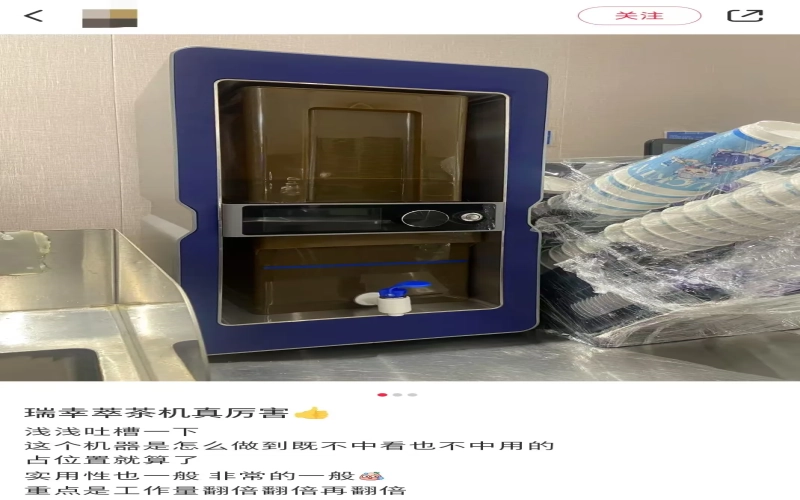
Luckin's tea brewing machine flops in real-world test: cleaning takes forever and it only brews one type of tea at a time; staff say it's no better than hand-brewing
Since September, rumors that Luckin Coffee would fully roll out smart milk tea machines and tea extraction machines have kept the industry closely watching its moves into the milk tea market. Recently, some stores in Guangzhou took the lead in trial-installing the tea extraction machines, only to draw collective complaints from frontline staff. Employees reported that the device is not only bulky and space-consuming, but can also extract only one type of tea liquid at a time, and its cleaning and sanitizing steps are extremely cumbersome. Making a pot of tea base takes more than half an hour from start to finish, making it even less efficient than manual brewing. At the same time, some stores have also seen quality control problems such as rusting metal parts. So how exactly does this smart device perform? Let's take a look at the real feedback from employees. [more…]
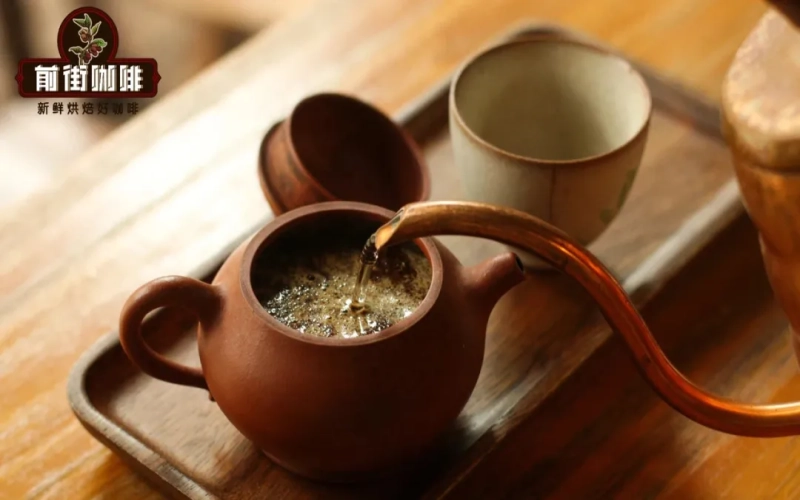
Can an espresso machine also brew concentrated tea? Testing the methods, parameters, and precautions for brewing tea with an espresso machine
The extraction principles of coffee and tea are essentially the same. Since an espresso machine can use pressure to extract a high-concentration coffee in a short time, can it also be used to extract a cup of "espresso tea"? With this question in mind, Front Street conducted an actual test: from the choice of grinding equipment, the adjustment of tea leaf dosage, to the control of the powder-to-water ratio and extraction time, the entire process of extracting tea with a coffee machine was fully recorded. Experiments have shown that a coffee machine can indeed extract tea with a concentration comparable to espresso, but many pitfalls were also encountered during the process—difficulties in cleaning the grinder, clogged portafilter baskets, and tea fragments seeping in and affecting the taste appeared one after another. This article will share the specific parameters and operating details, and give Front Street's practical advice: if you really want to try it, it is best to be mentally prepared, or add professional tea extraction tools. [more…]
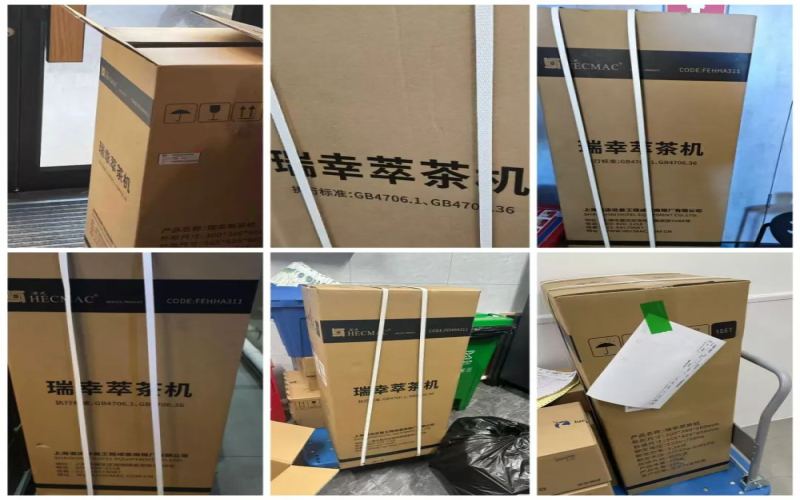
Luckin's tea brewing machines get the cold shoulder at stores: wrapped in cling film, slapped with "do not use" signs, yet rolled out nationwide only to sit idle on counters
Since last December, Luckin Coffee has piloted tea extraction machines in some stores in Guangzhou, planning to replace tea powder in light milk tea with freshly extracted hot tea to enhance the taste and health attributes of the drinks. However, since the testing phase, this device has been complained about by store staff as "good to look at but useless." Now that it has been gradually rolled out nationwide, many stores have wrapped it in plastic wrap and affixed prohibition stickers, turning it directly into an idle ornament on the counter. Staff feedback indicates that it is cumbersome to clean and inefficient, instead increasing the workload. Although management requires its use, frontline employees still deal with back-end detection by "turning it on at the start of the shift and off at the end." This article sorts out the various real-world dilemmas encountered during the tea extraction machine's journey from pilot to promotion, as well as the game between the brand and the stores. [more…]
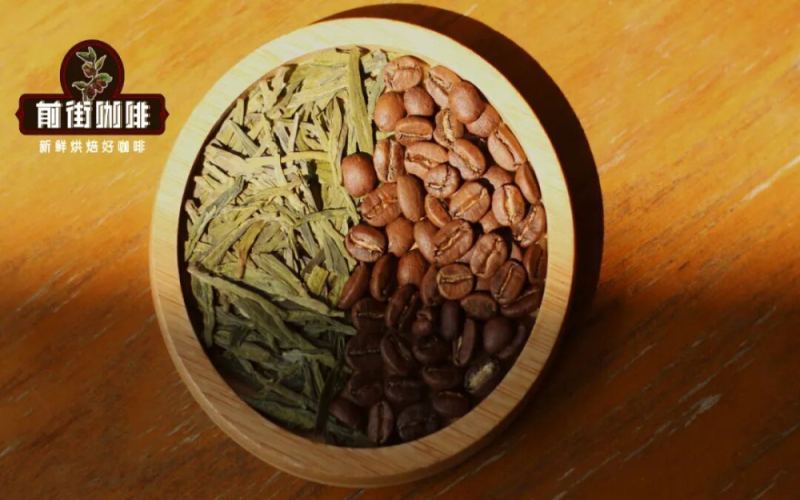
Three Ways to Make Longjing Iced Americano: Can Green Tea and Coffee Be Mixed? Comparing Espresso Machine and Moka Pot Methods
Can green tea and coffee be enjoyed in the same cup? This article centers on Longjing iced Americano, first analyzing the key to harmonizing tea and coffee flavors, then presenting two espresso machine methods and two moka pot methods, followed by a practical tasting comparison. Using Front Street Coffee's Diamond Mountain medium-roast beans as a demonstration, it explains extraction parameters and precautions in detail, helping coffee enthusiasts recreate this novel-style Americano at home. The full text retains brand recommendations and product information for readers' reference. [more…]
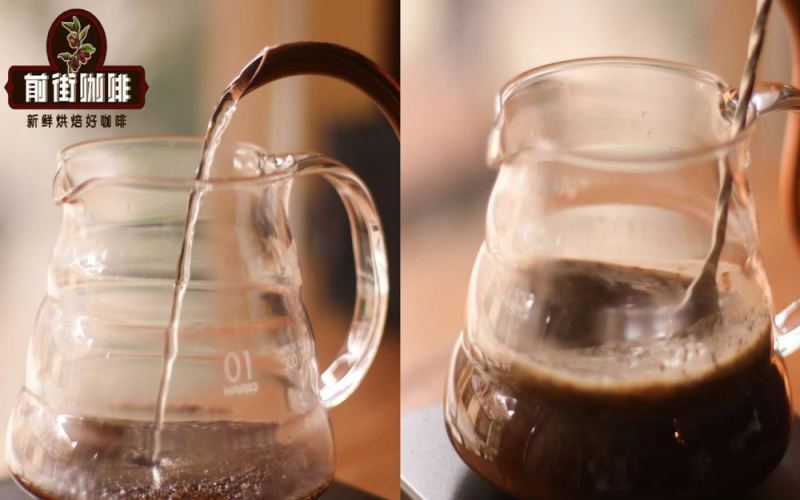
How to Make a Latte Without a Coffee Machine: A Complete Guide to Easy Homemade Cold Brew Milk Coffee
Want to enjoy a silky, smooth latte at home but don't have an espresso machine? In fact, with just a few simple steps and a long, low-temperature steep, you can make a full-bodied, guilt-free cold brew milk coffee. This article breaks down the principles of milk brew coffee in detail, explaining why low-temperature extraction avoids bitterness and preserves aroma, and walks you through choosing beans and milk, along with specific coffee-to-milk ratios and steeping times. From gathering ingredients to the lazy version of the method, plus tasting and storage tips, this covers everything so you can easily achieve latte freedom at home. [more…]
How to Make Cold Brew Latte Without a Coffee Machine: Detailed Method and Tips for Cold Milk-Infused Coffee
Want to enjoy a silky, smooth latte but don't have an espresso machine at home? In fact, with just a few simple steps—steeping coffee grounds in milk at low temperature—you can make a full-bodied, guilt-free cold brew latte. This article explains in detail the principles of milk-brewed coffee, the materials needed, brewing parameters and steps, and also includes a lazy version and tasting suggestions. It recommends several Front Street Coffee beans, including Sun-Dried Huakui, Mozart, Red Cherry, and Strawberry Candy, to help you easily enjoy professional-grade coffee flavors at home. [more…]
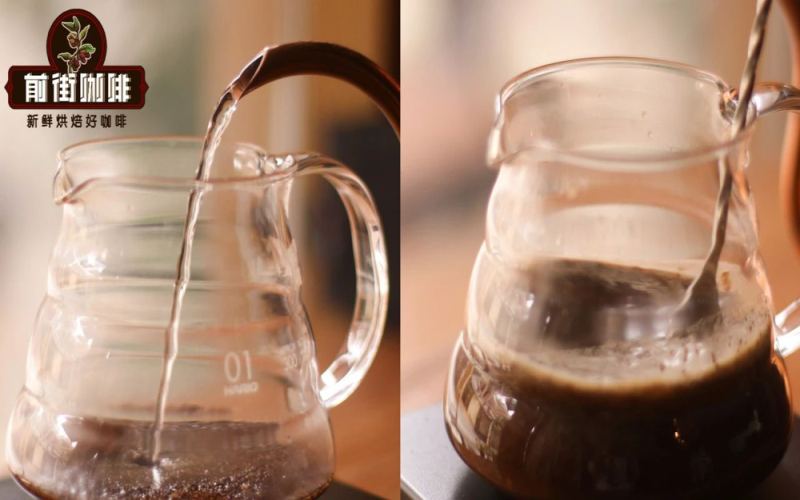
Iced Latte Recipe Introduction | How to make a latte at home without a coffee machine? How can coffee beginners make cold brew latte milk coffee?
How can cold brew coffee be limited to black coffee only!! This article will teach everyone how to easily make silky-smooth cold (milk) brew latte at home, without a coffee machine or complicated equipment~ Without further ado, GO GO GO! The soul of milk brew coffee: "Full-bodied taste, no burden." [more…]
Making Cold Brew Latte Without a Coffee Machine: Detailed Method and Flavor Analysis of Home Milk-Brewed Coffee
Want to enjoy a silky-smooth latte at home but lack an espresso machine or other complicated equipment? In fact, as long as you master the core principle of cold extraction, you can easily make a full-bodied, easy-drinking milk-brewed latte with no fuss. This article starts with the flavor advantages of milk-brewed coffee, explains why cold extraction reduces bitterness and preserves aroma, and fully shares Front Street Coffee's recommended fresh milk choices, suitable coffee bean varieties, and specific brewing parameters and steps, including the coffee-to-milk ratio, grind size, and steeping time. It also includes a lazy version and storage suggestions to help you avoid the risk of milk spoiling. Whether you're a coffee beginner or a seasoned enthusiast, you'll find a practical and delicious home coffee solution here. [more…]
What exactly is the difference between Americano and single-origin coffee? A guide to the correct brewing method for drip bag pour-over
Many people think that Americano is simply espresso diluted with water, but the real Americano actually originates from the drip coffee makers that Americans use in their daily lives. So, what exactly is the difference between Americano and single-origin pour-over? And how should drip bag coffee be brewed to taste good? This article will start from the historical origins of Americano, clarify the relationship between Americano and single-origin coffee, and through a comparative experiment with Front Street Yirgacheffe · Red Cherry, intuitively demonstrate the flavor differences between SOE Americano and pour-over single-origin coffee, while also recommending several Front Street drip bag coffees suitable for different tastes. [more…]
How is drip bag pour-over different from Americano and filter coffee? A comparative analysis of single-origin SOE flavors
Many people think that Americano is simply espresso diluted with water, but the real American coffee actually originates from the drip coffee culture of the United States. This article starts with the historical origins of American coffee, sorts out the reasons for its popularity in the United States, and traces the origins of the Starbucks-style Americano method. At the same time, it clarifies the similarities and differences between single-origin pour-over, drip bags, and American-style drip machines, and uses Front Street Yirgacheffe Red Cherry beans as an example, comparing SOE Americano and pour-over in two ways to present the differences in flavor, helping coffee lovers more clearly choose the cup that suits them. [more…]

Mixue Ice Cream & Tea stores are gradually being equipped with coffee machines, and the freshly ground coffee business has entered the pilot phase.
Recently, multiple media outlets have reported that some franchisees of Mixue Bingcheng have revealed that their stores may soon introduce coffee machines, suggesting that this tea beverage brand, known primarily for lemonade and milk tea, may formally enter the freshly ground coffee market. Currently, some new stores have received fully automatic coffee machines provided by the brand, though the exact timing for their use has not yet been determined. Notably, Mixue Bingcheng already owns Lucky Cup, a brand focused on freshly ground coffee, which has surpassed ten thousand stores. If the main brand simultaneously launches similar products, the market positioning of the two may face adjustments. This article will review the latest progress of the freshly ground coffee business pilot, the direction of product upgrades, and the various speculations from the outside world. [more…]
What is the difference between traditional black tea and CTC broken black tea? Which is more worth drinking? Includes a CTC broken black tea brewing tutorial
Friends who love drinking black tea have probably all come across the term CTC. How exactly does it differ from traditional black tea? The core difference between the two lies in their production methods—the traditional method emphasizes plucking, withering, rolling, oxidation, and drying, with intricate and elaborate steps; CTC, on the other hand, relies on machines to complete crushing, tearing, and curling in one go, making it fast and low-cost. These processing differences directly determine the flavor direction of the finished tea: CTC is intense and powerful, prone to bitterness, and suitable for milk tea or masala chai; traditional black tea has delicate layers, suitable for drinking plain or with lemon. This article will break down each step of the two processing methods one by one, analyze their respective taste characteristics and quality levels, and tell you how to make a choice based on your drinking scenario, with a brewing tutorial for CTC black tea fannings attached at the end. [more…]
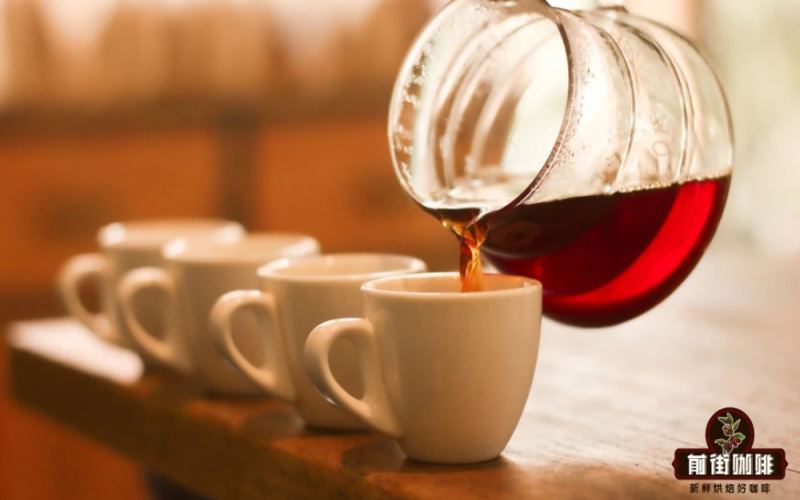
The Complete Guide to Home Coffee Brewing: How to Choose from Pour-Over, AeroPress, Moka Pot to Home Espresso Machines
To enjoy a good cup of coffee at home, you don't actually need overly complicated equipment—the key is to clarify your taste preferences and budget. Coffee is ultimately a beverage, as close to daily life as tea. This article focuses on common home brewing methods, covering pour-over gear such as the Hario V60, Kalita Wave, and Clever Cup, portable options like the AeroPress, Moka Pot, French Press, and Chemex, as well as automatic espresso machines, semi-automatic espresso machines, drip machines, and capsule machines, explaining one by one the people each suits, key operating points, and flavor characteristics. The article also draws on Front Street Coffee's various bean lists to offer bean selection advice for different devices, helping you find the brewing setup that best fits your own rhythm. [more…]
The Origin of Americano | Is Single-Origin Coffee Americano? What's the Difference Between Drip Bag Pour-Over Coffee and American Drip Coffee? Comparing the Flavor, Taste, and Brewing Methods of American-Style Pour-Over
As a frequent coffee drinker, you've surely heard of "Americano." If you order one at Starbucks, it's typically made with espresso as the base, plus about 6–8 times the amount of water. But I've clearly heard that Italians don't drink Americano (which is absolutely true)—so why would it appear on an Italian coffee menu? [more…]
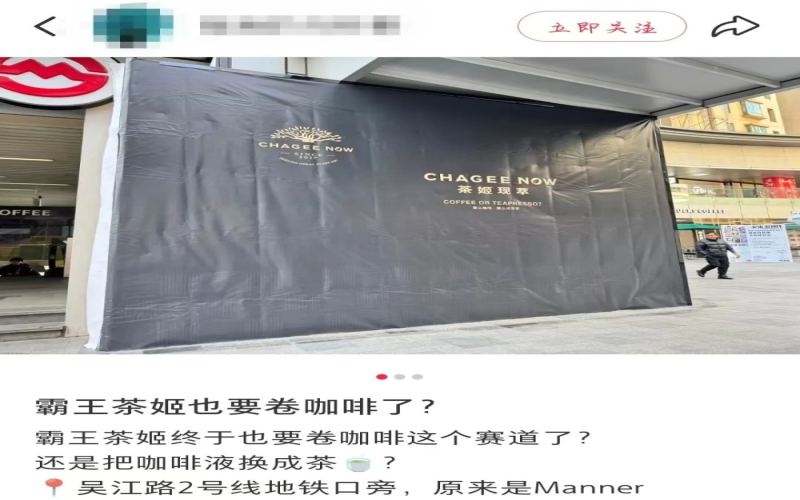
Chagee launches sub-brand Chaji Xiancui: Can concentrated tea drinks shake up the freshly made beverage market?
Recently, at the location of the former Manner store at the Wujiang Road subway entrance in Shanghai, a "Chaji Xiancui" construction hoarding has appeared. Its English signage is highly similar to that of Chagee, and together with the slogan "COFFEE OR TEAPRESSO?", it has sparked speculation about whether this leading tea beverage brand is planning to enter the coffee sector. However, according to fans, Chaji Xiancui is actually a sub-brand under Chagee that specializes in "concentrated brewed tea." Its store equipment resembles semi-automatic espresso machines, using high-temperature and high-pressure extraction to produce tea concentrate, which is then blended with dairy products; the products still fall within the tea beverage category. At present, the brand has already opened two stores in Shanghai, and the Wujiang Road hoarding is for a new store that is about to open. [more…]
The Complete Guide to Home Coffee Brewing: A Guide to Buying and Using Pour-Over, AeroPress, Moka Pot, and Other Brewing Equipment
Wanting to enjoy a satisfying cup of coffee at home actually isn't that hard—it all comes down to your daily drinking habits and how much you're willing to spend. Coffee, at its core, is a beverage, as close to everyday life as tea; going to a café is often just for that one cup of satisfaction. So does making coffee at home really require buying expensive equipment? And how should you choose the brewing method that suits you? This article sorts through common options such as pour-over, Clever Cup, AeroPress, moka pot, French press, Chemex, and various home coffee machines, and includes Front Street Coffee's equipment and bean recommendations for you to choose from as needed. [more…]
How should a home coffee pot be used correctly? Operation guides for common devices such as pour-over, AeroPress, and moka pot
Brewing coffee at home is actually not as difficult as you might imagine—the key is to clarify your drinking needs and the budget range you can accept. Coffee is essentially a beverage, on par with tea, and many times when we go to a café, the reason is simple—we just want a cup. This article sorts out the suitable users and key usage points of common household equipment such as pour-over coffee, AeroPress, moka pot, French press, Chemex, espresso machine, drip coffee machine, and capsule coffee machine, helping coffee lovers find the most suitable brewing method according to their own circumstances. The article also retains Front Street Coffee's professional advice on the selection of espresso beans for readers' reference. [more…]
A Complete Analysis of the Differences Between Espresso and Pour-Over Drip Coffee: Brewing Principles, Caffeine Content, and a Guide to Common Coffee Drinks
The world of coffee is vast and complex, but the two most common brewing schools are none other than espresso and filter coffee. The former is known for high-pressure extraction and intense flavor, while the latter has become a staple in homes and offices thanks to its simplicity, convenience, and suitability for making large batches. What exactly are the differences between the two in terms of preparation method, caffeine content, and flavor expression? Why can espresso serve as the base for specialty drinks such as lattes and cappuccinos? Why can the water-to-coffee ratio differ by several times? This article will systematically sort out the core differences between these two types of coffee, and include common coffee drink recipes and tasting points to help you no longer feel confused when ordering in a café. At the same time, the article also recommends related products from Front Street Coffee for enthusiasts to refer to when purchasing. [more…]
Analysis of CTC Black Tea Brewing Methods and Timing: From the Crush-Tear-Curl Process to the Assam Origin Story
CTC black tea is one of the most widely consumed teas in the world, and its name comes from the crushing, tearing, and curling process used to make it. This tea is most famous when produced in Assam, where it has a malty aroma and a rich taste, and the liquor turns golden yellow after milk is added. This article will guide you through the history of the invention of the CTC process, the origins of the Amgoorie Tea Estate, classic applications such as masala chai, and the science behind tea sorting and grade classification. Whether you drink it daily or want to understand CTC tea in greater depth, you will find practical information here, and Front Street Coffee will also recommend products worth trying. [more…]